The Mummies

details

  • c. 3100 BCE – The Early Dynastic Period:
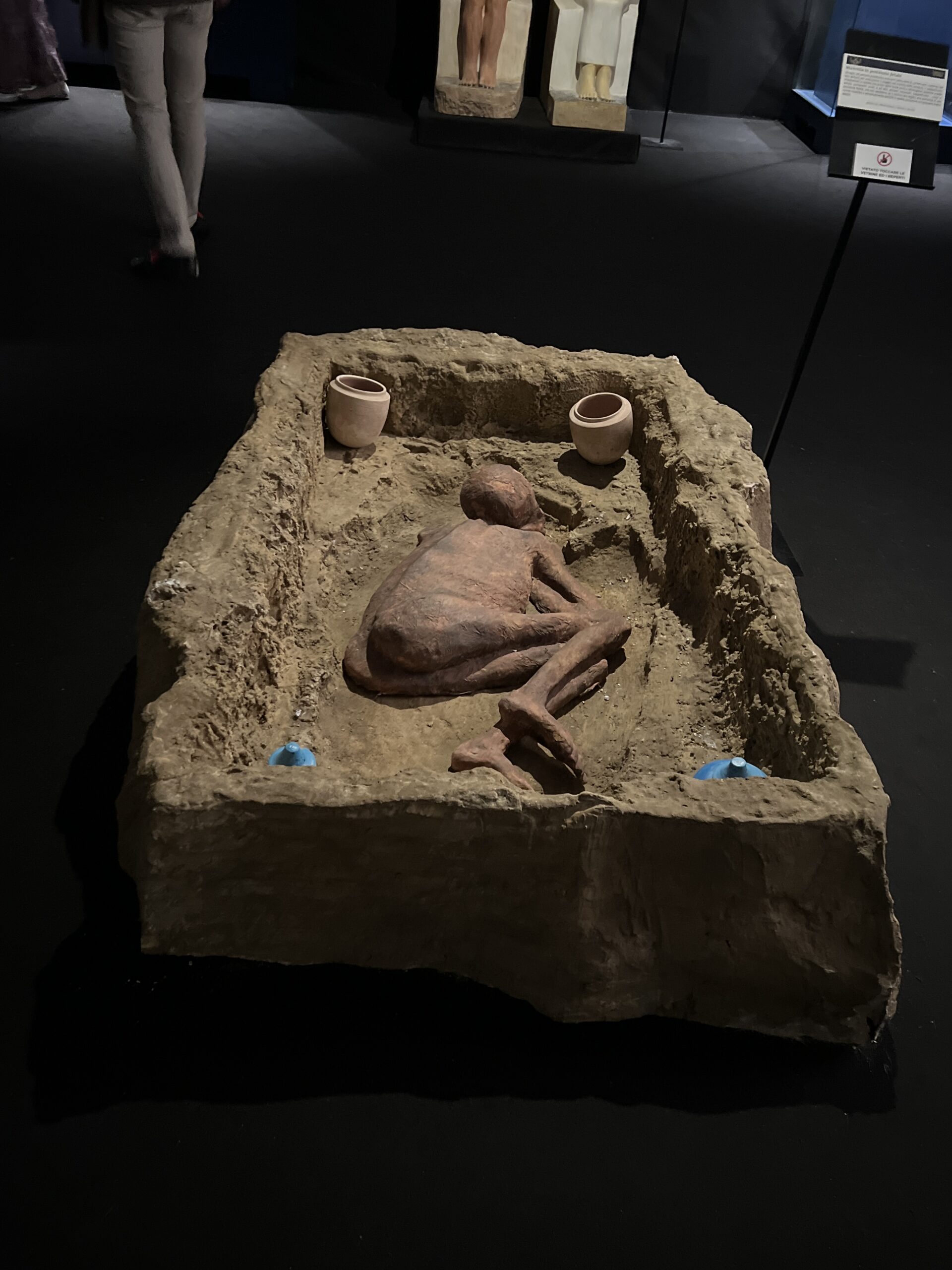
    The first burials used simple wrappings and desert sand for natural preservation, marking the earliest attempts at mummification.
  • c. 2600 BCE – Old Kingdom:
    The art of preservation evolved with the rise of the Pyramid Age. Organs were removed, and the body treated with salts and resins. The concept of the “Ka” became central to the idea of eternal life.
  • c. 2000 BCE – Middle Kingdom:
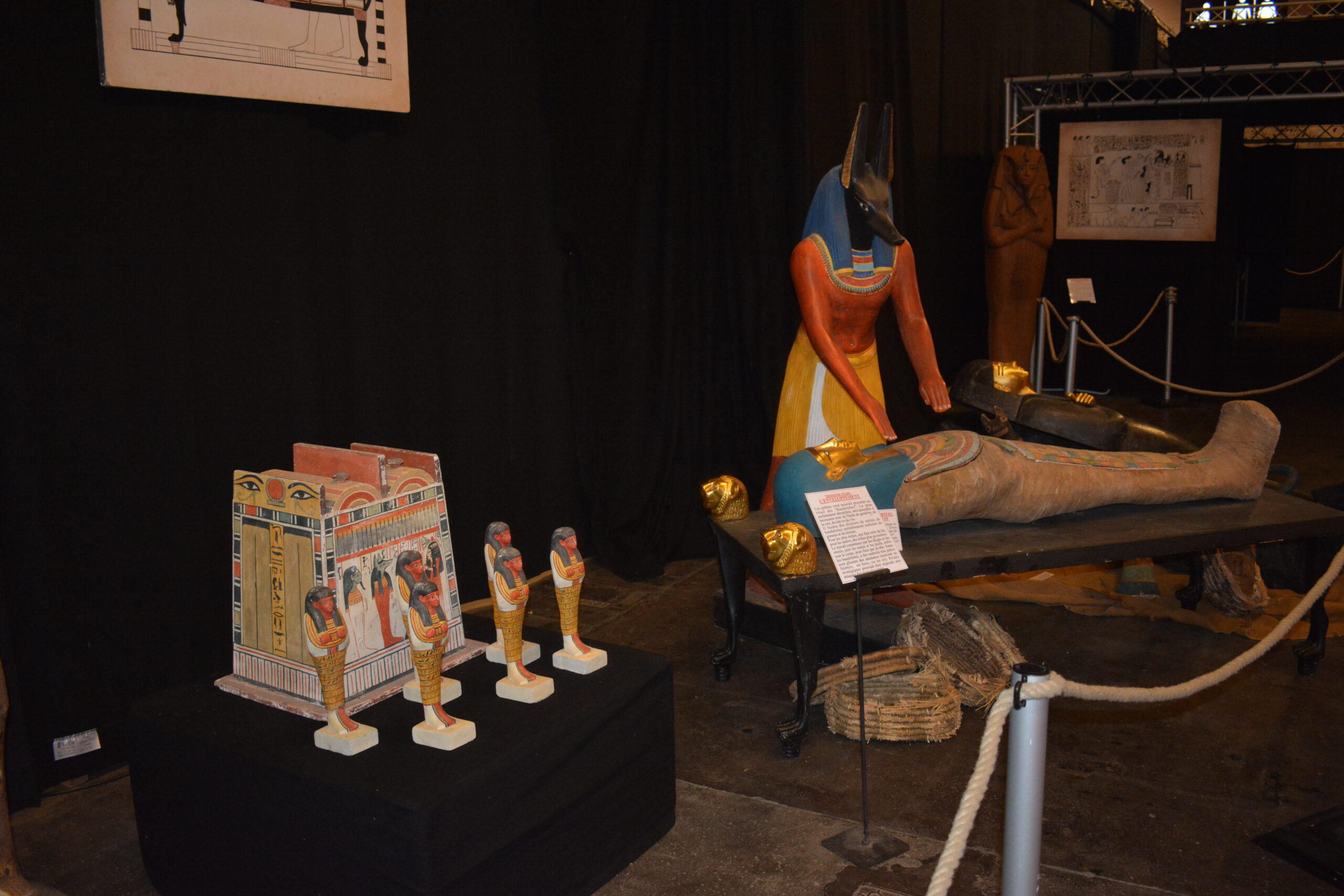
    Priests refined the process—using linen wrappings, amulets, and resin coatings to protect the deceased from decay. The Book of the Dead began to guide souls in the afterlife.
  • c. 1550–1070 BCE – New Kingdom:
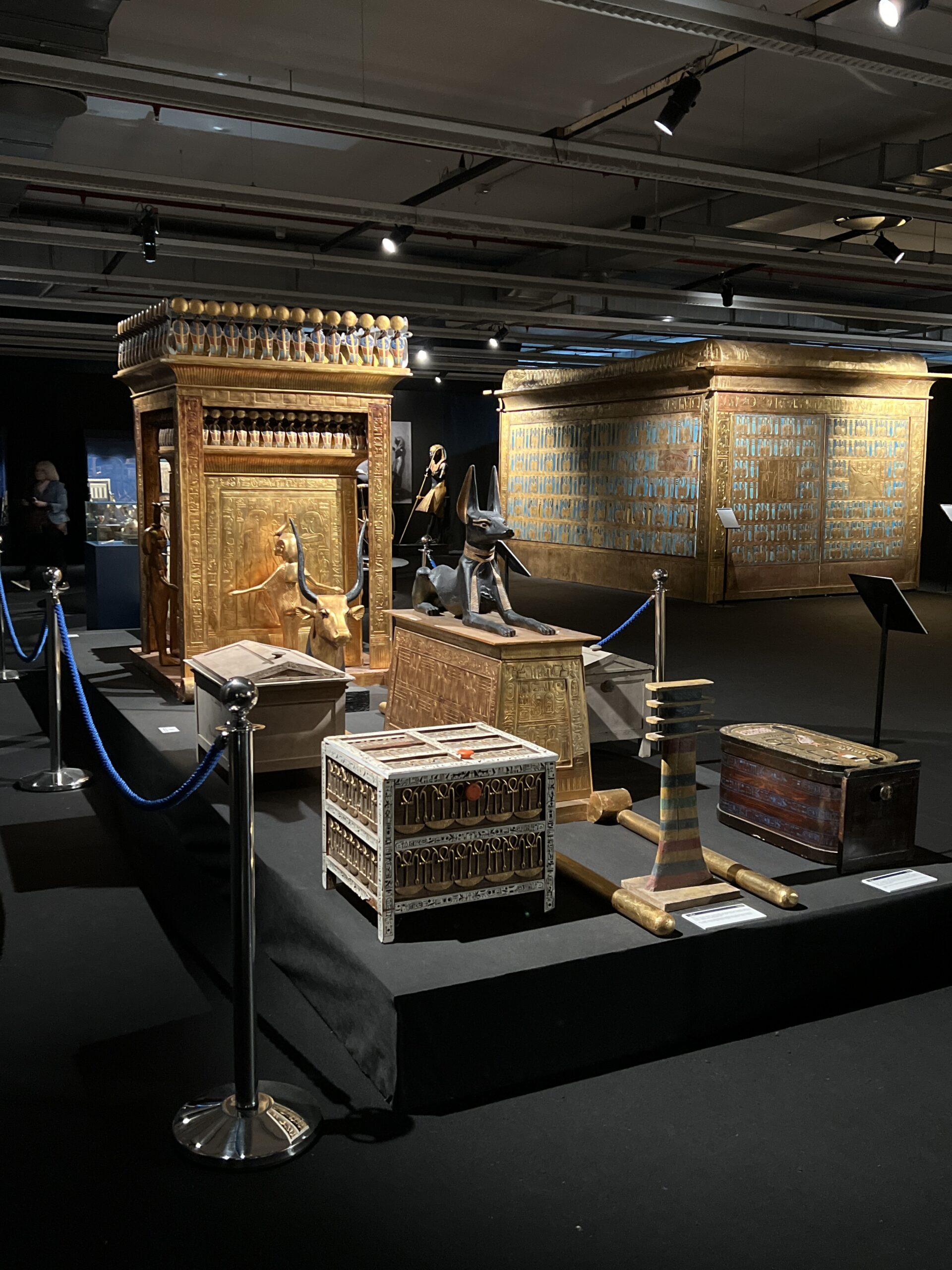
    The golden age of mummification. Temples at Thebes and tombs in the Valley of the Kings were filled with ritual art and treasures. Pharaohs like Tutankhamun and Seti I were buried in elaborate ceremonies meant to ensure their eternal journey.
  • c. 664–332 BCE – Late Period:
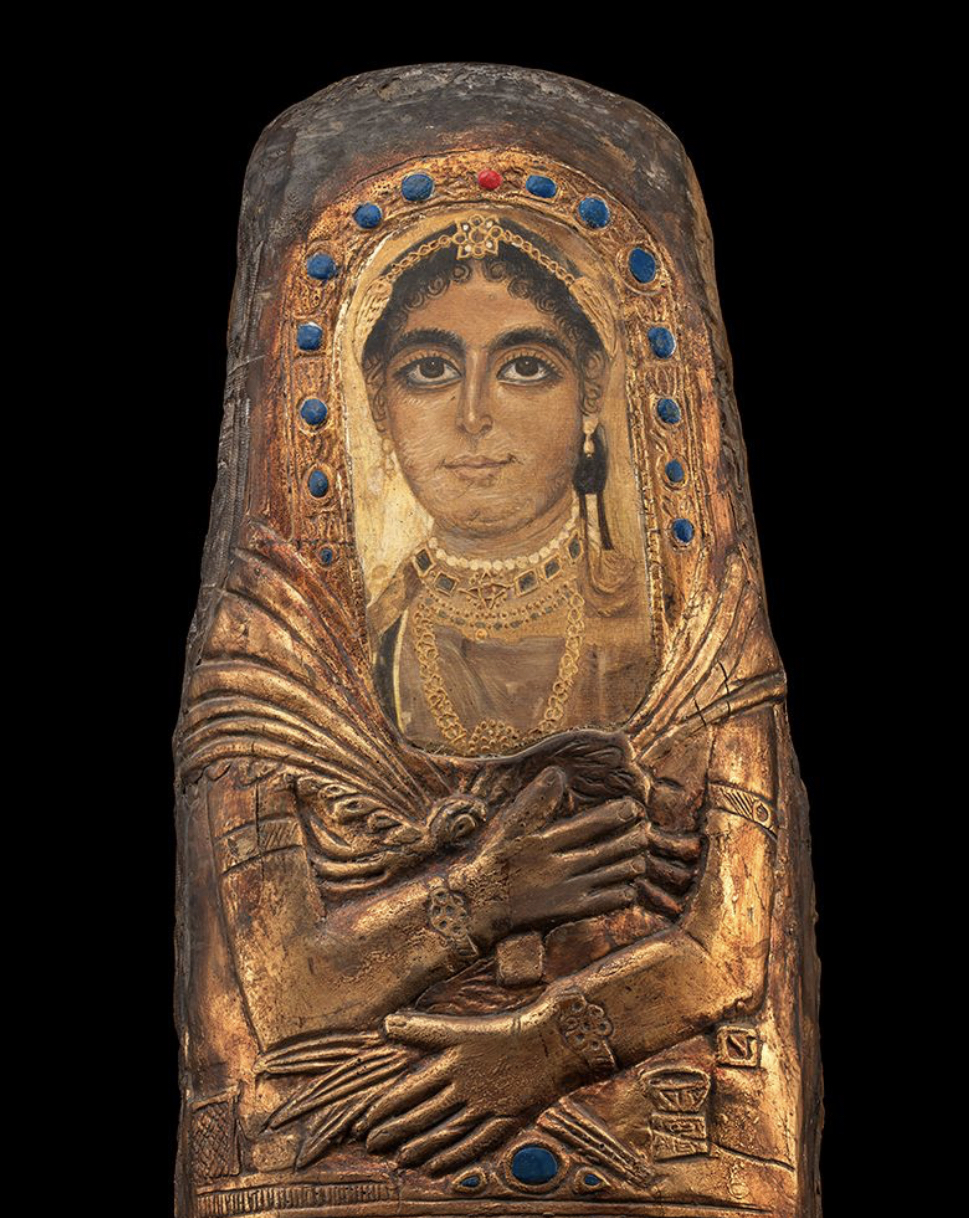
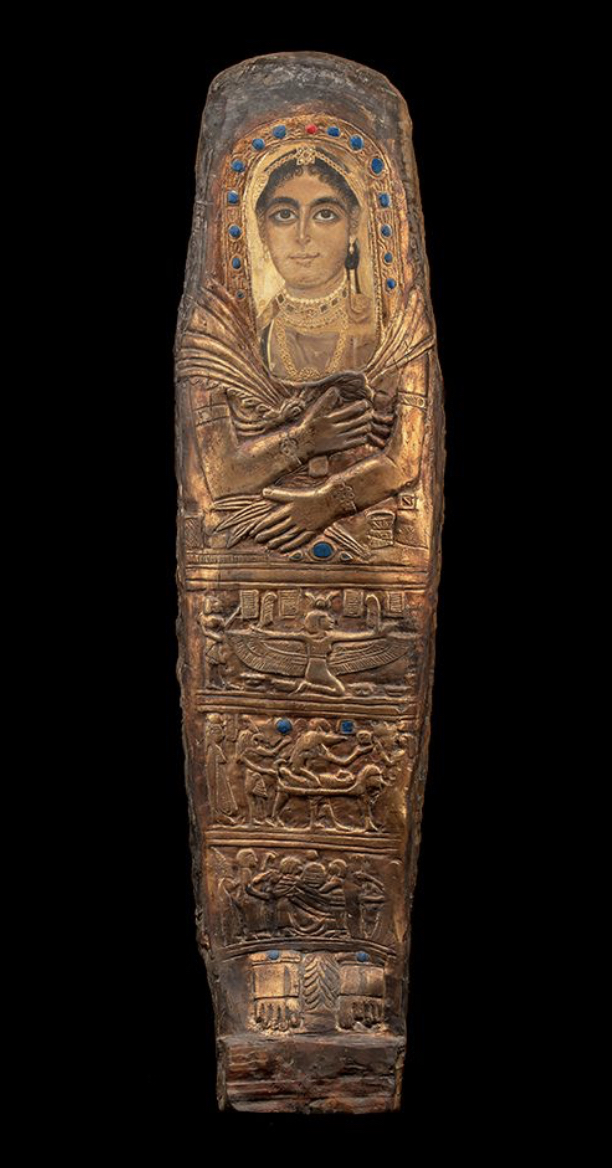
    Mummification reached its most advanced form, using fine linen, gilded masks, and richly decorated coffins. Even sacred animals such as cats, ibises, and crocodiles were mummified to honor the gods.

The Mummies – Eternity Dream

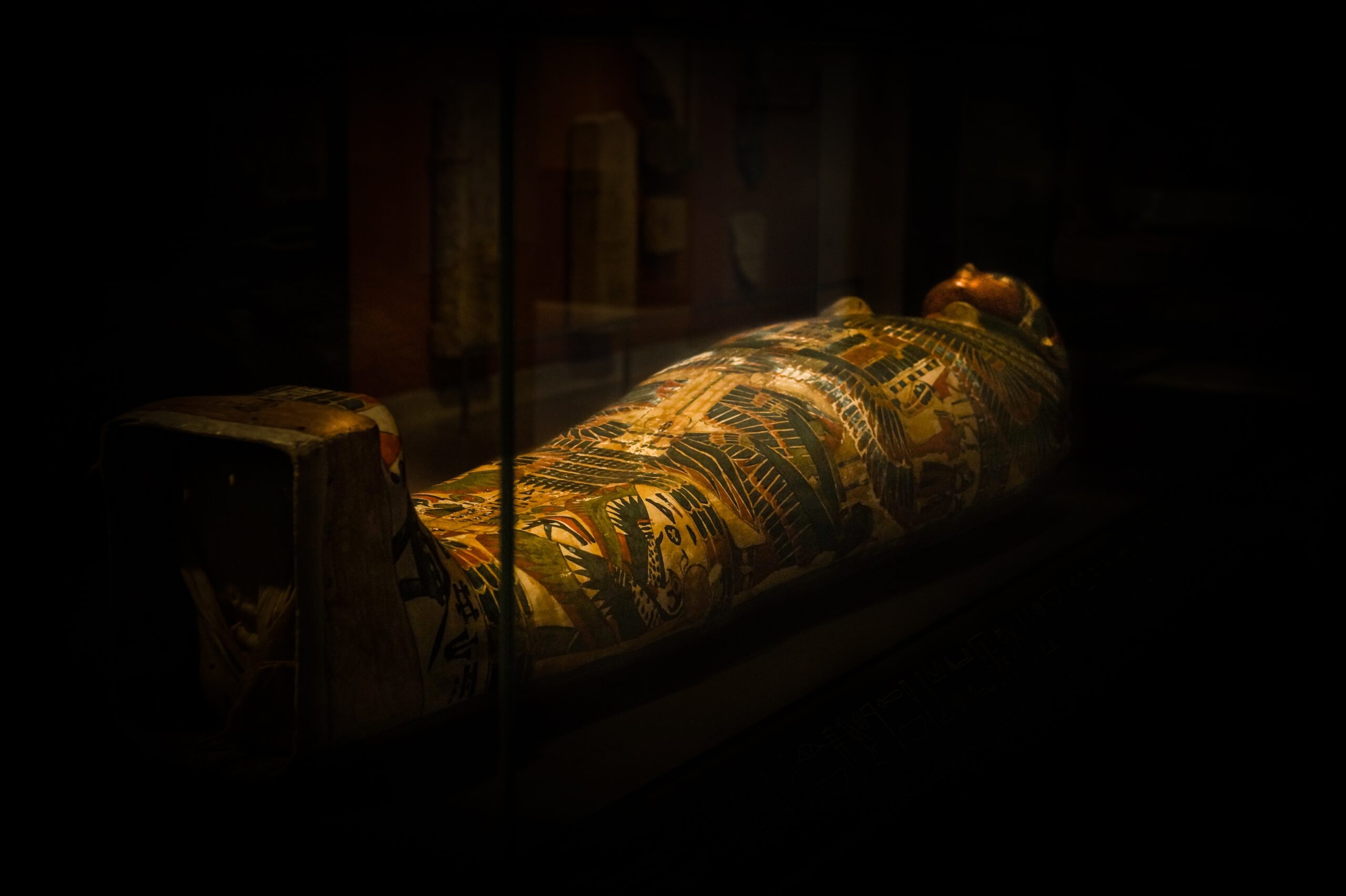
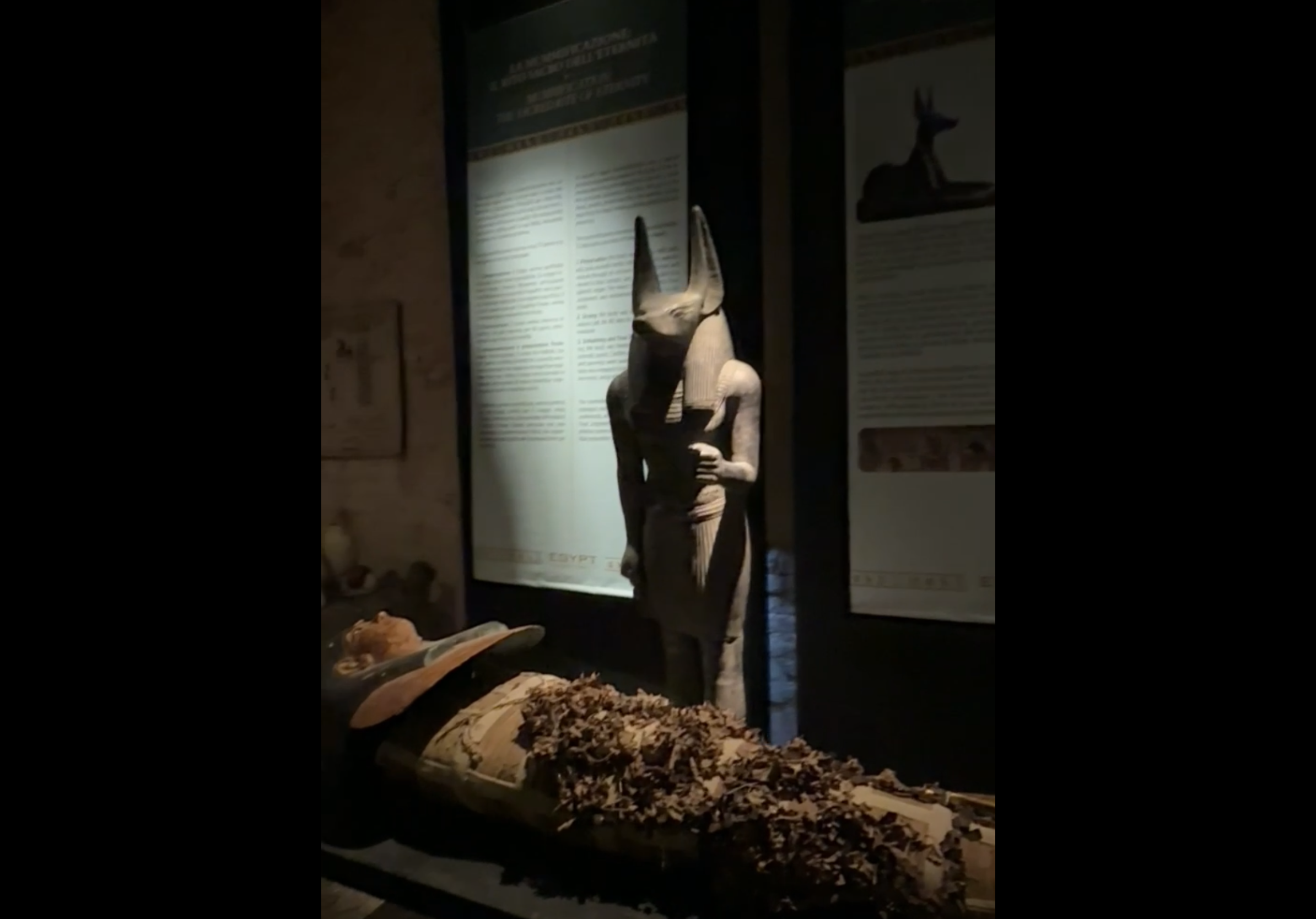
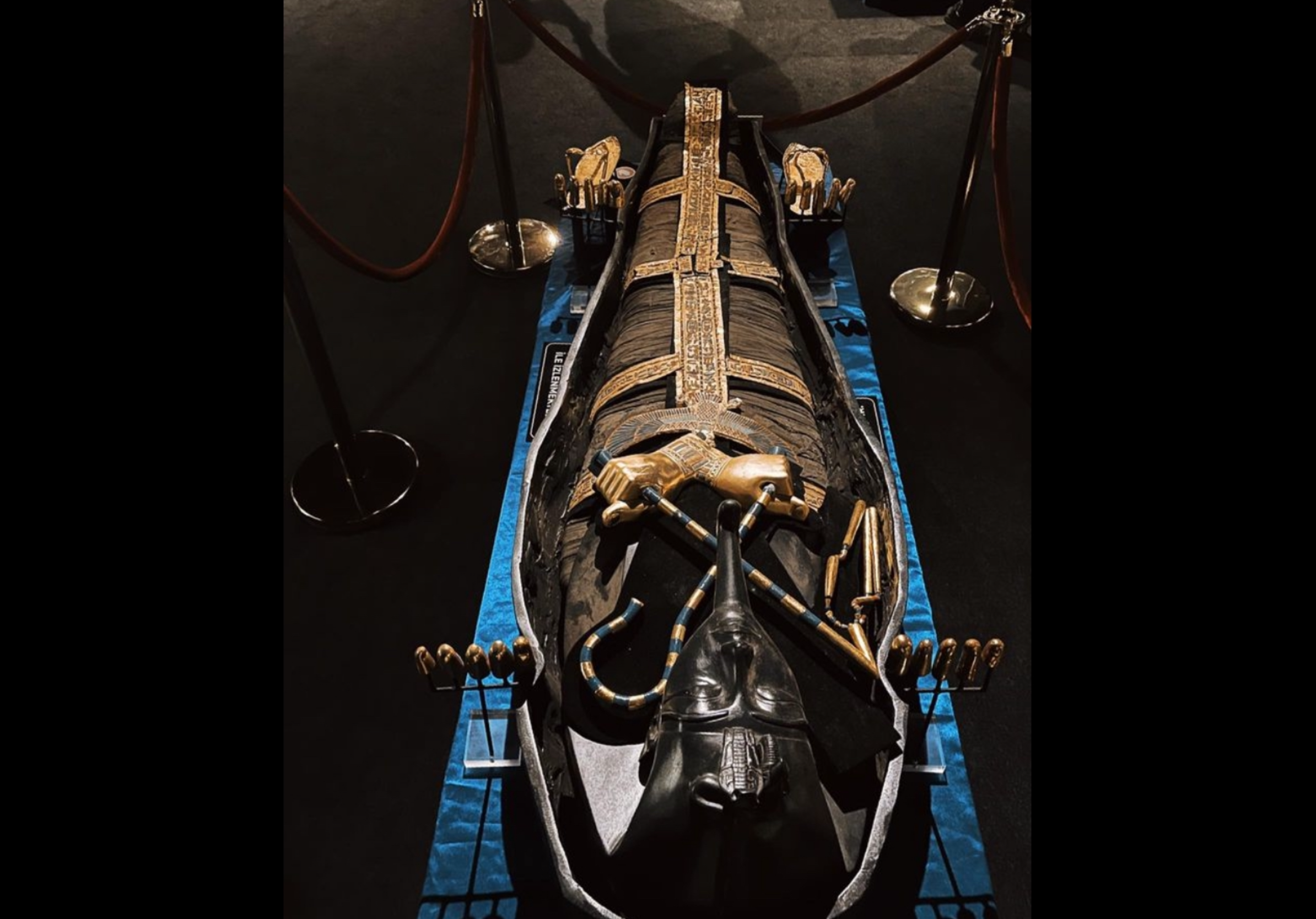
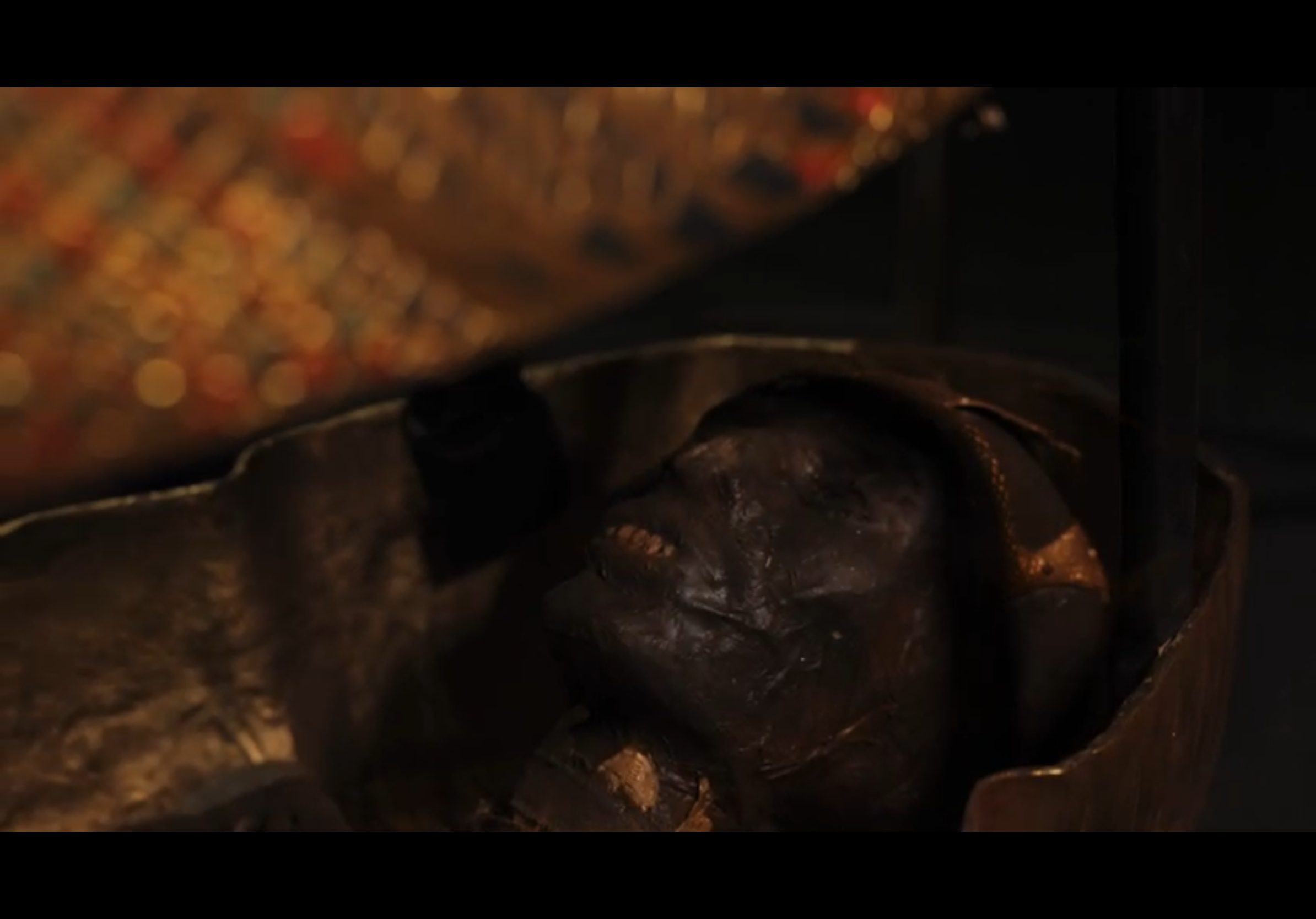
Step into the mysterious world of The Mummies – Eternity Dream, an exhibition that unveils the profound Egyptian belief in life after death.
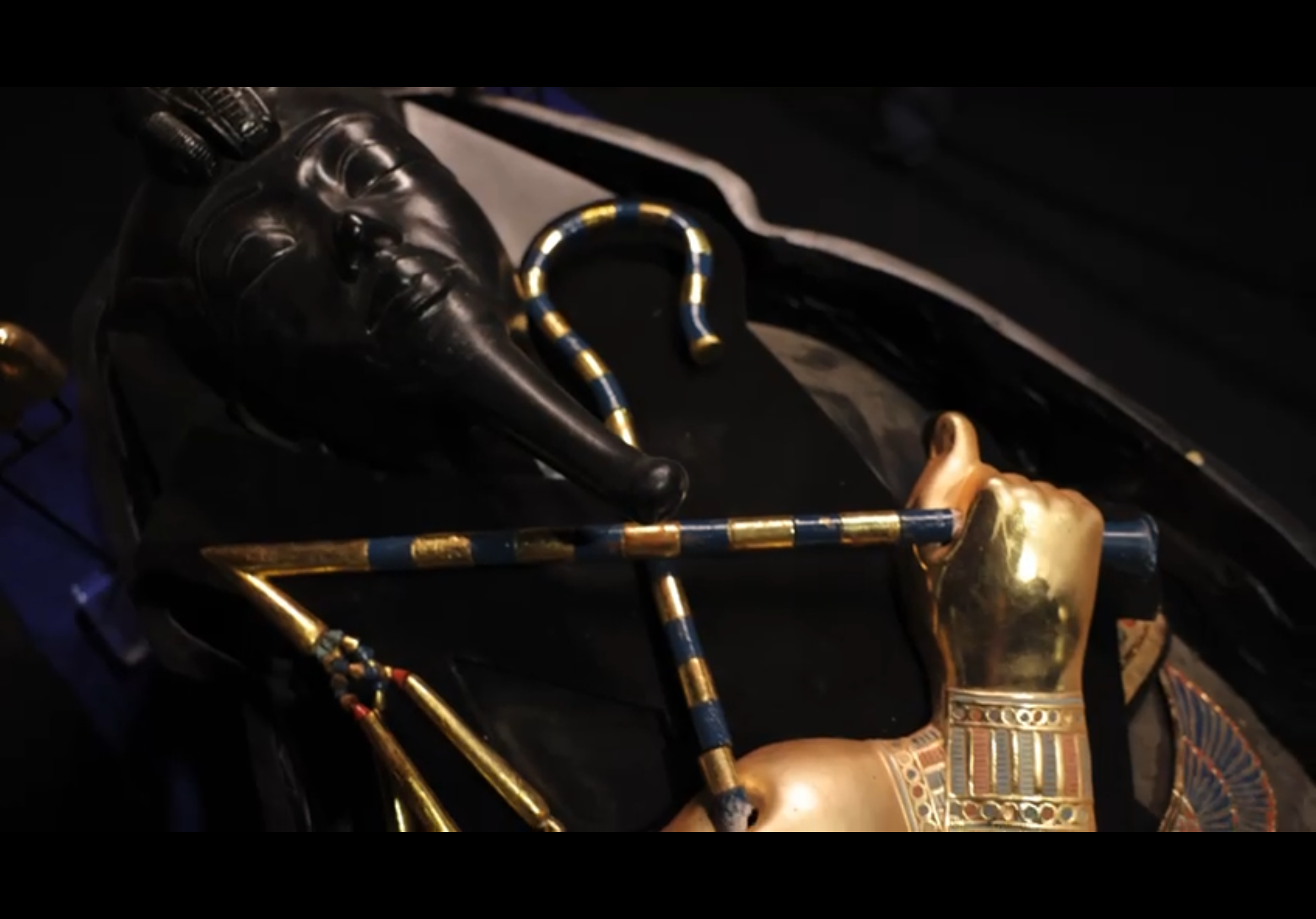
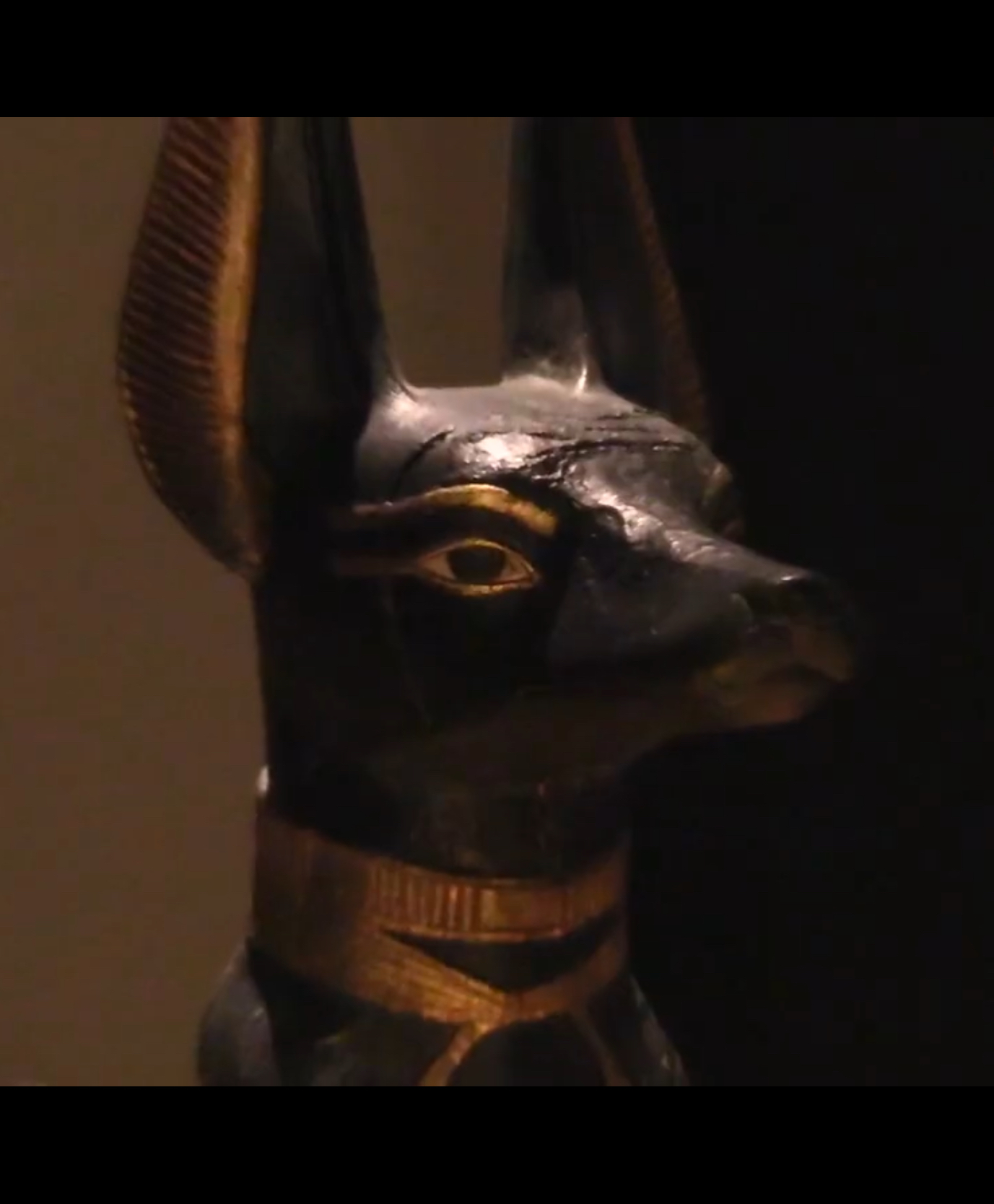
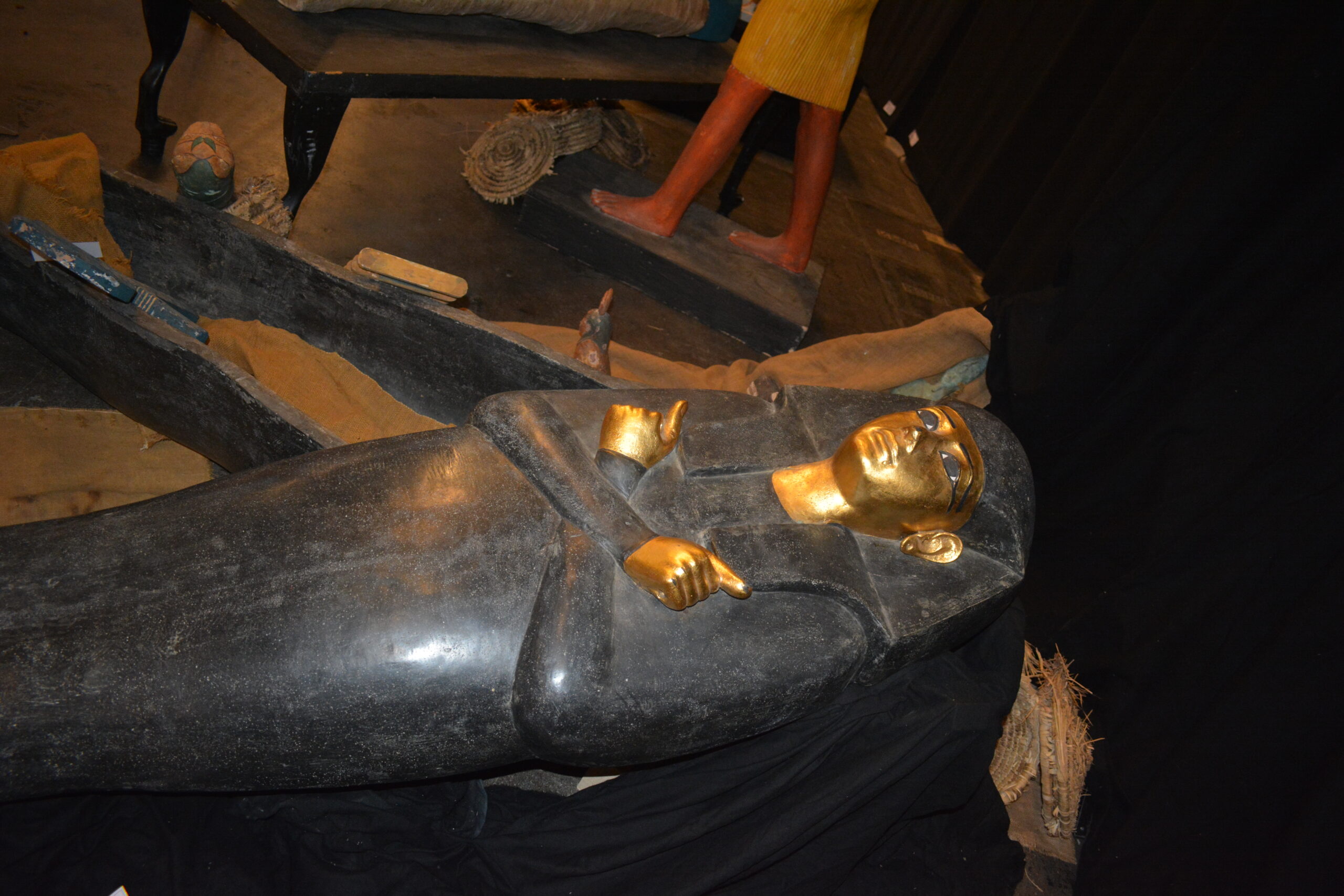
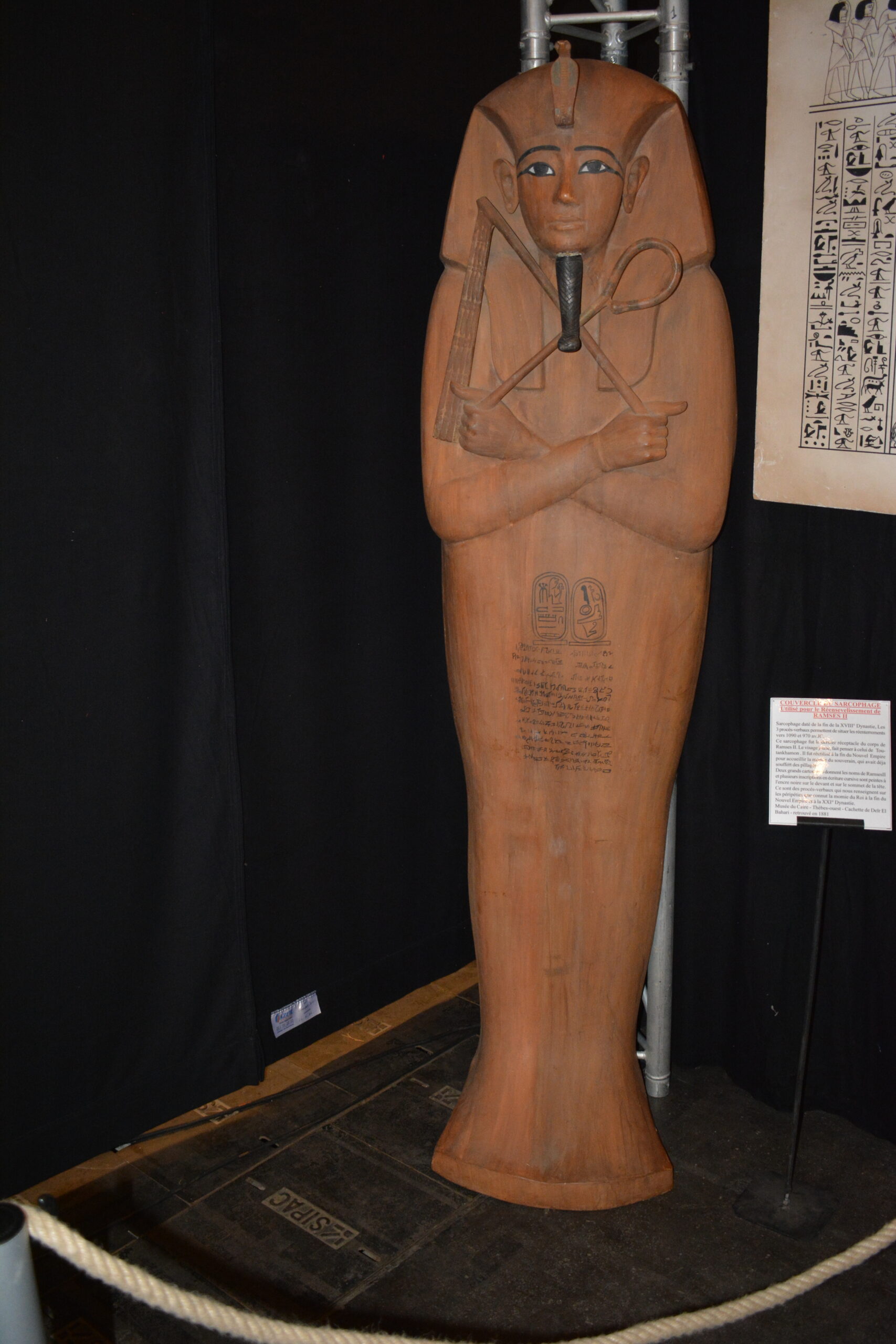
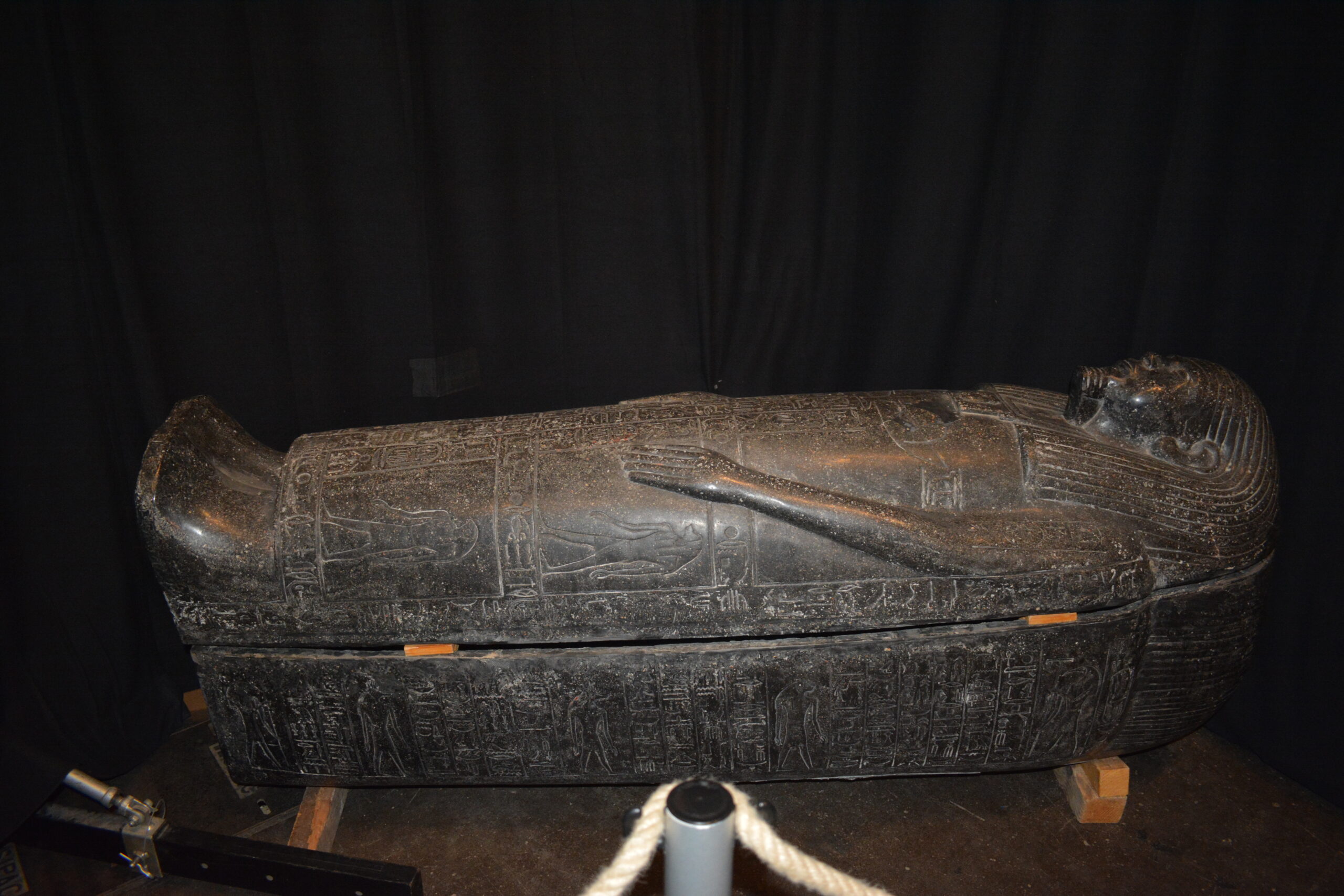
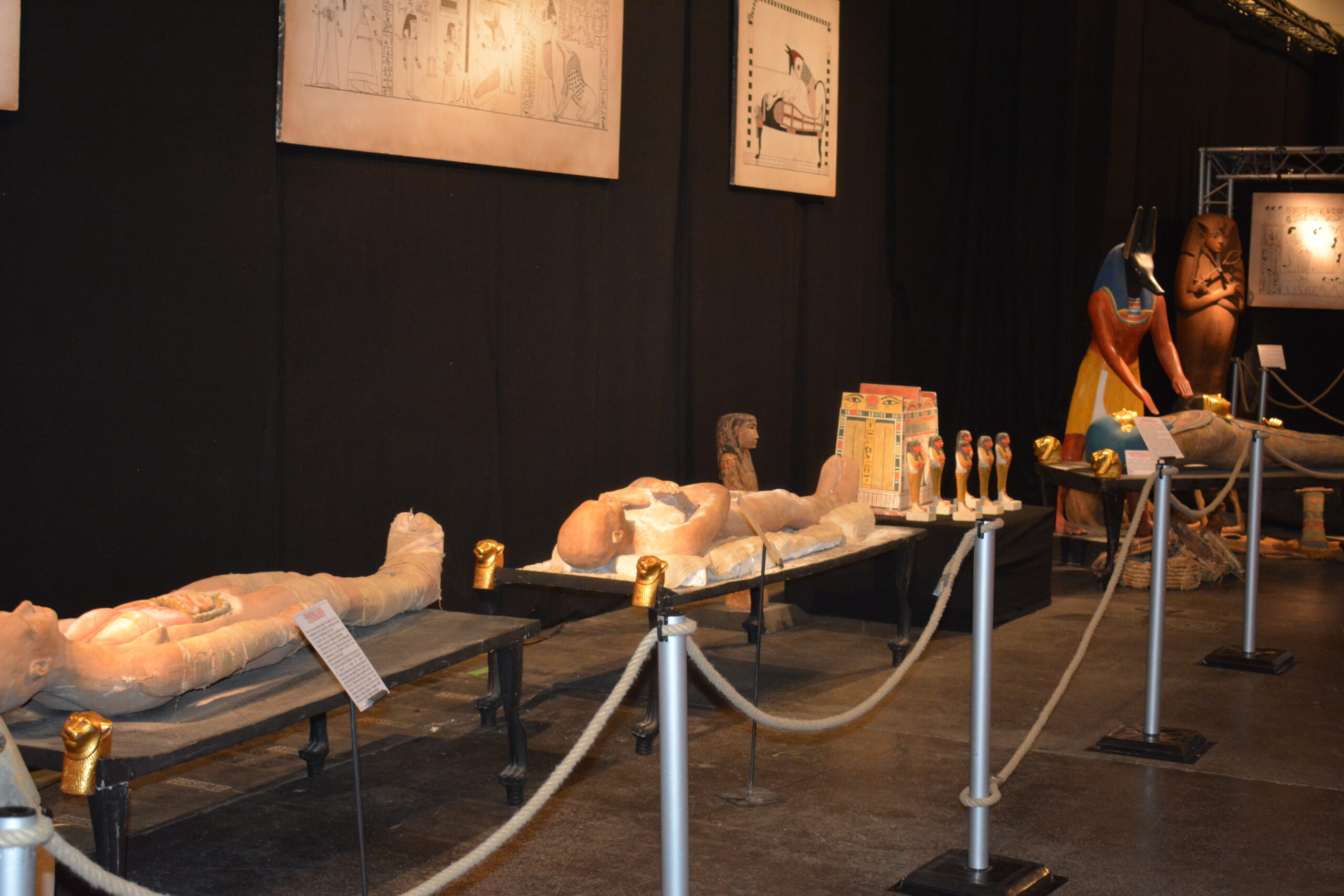
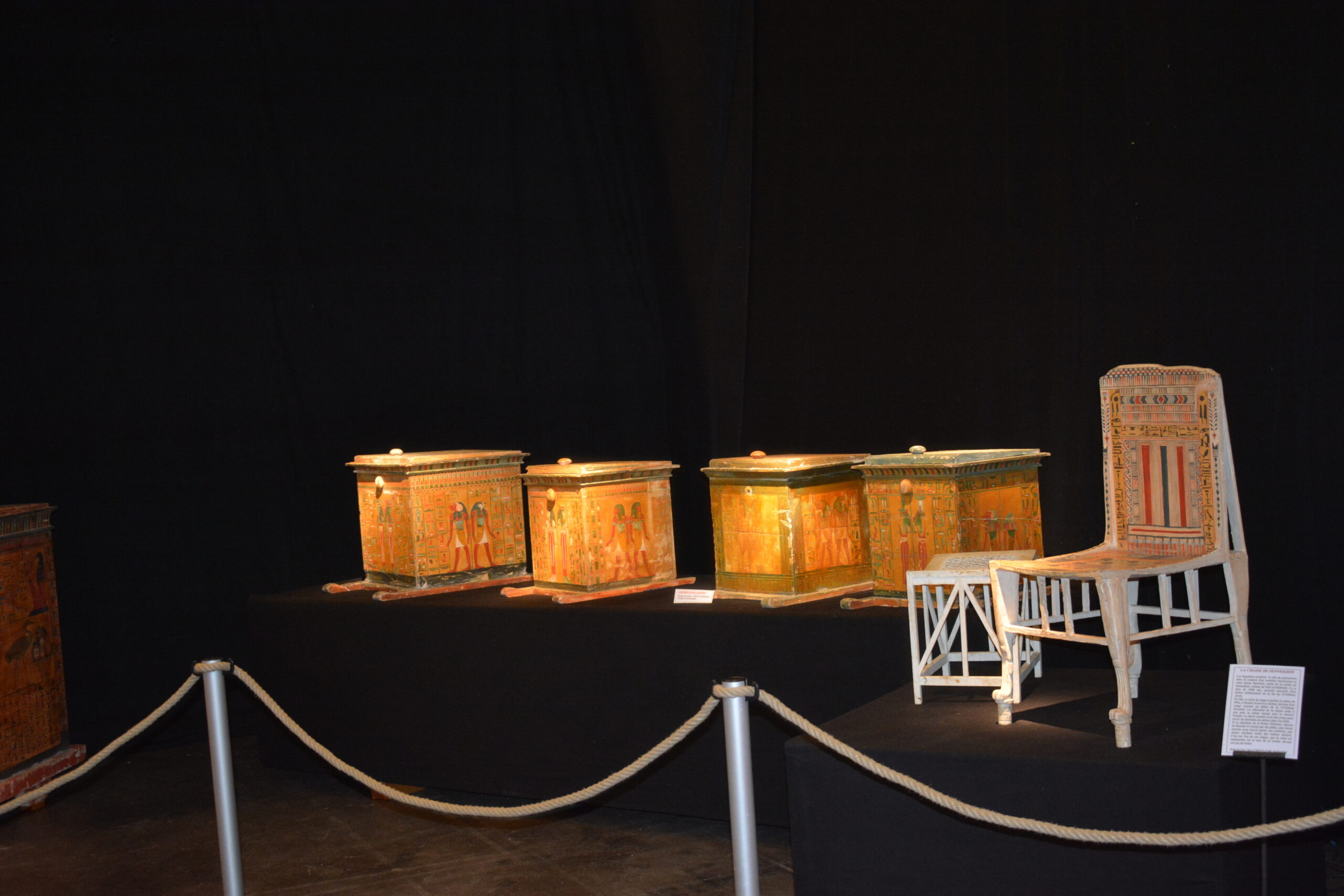
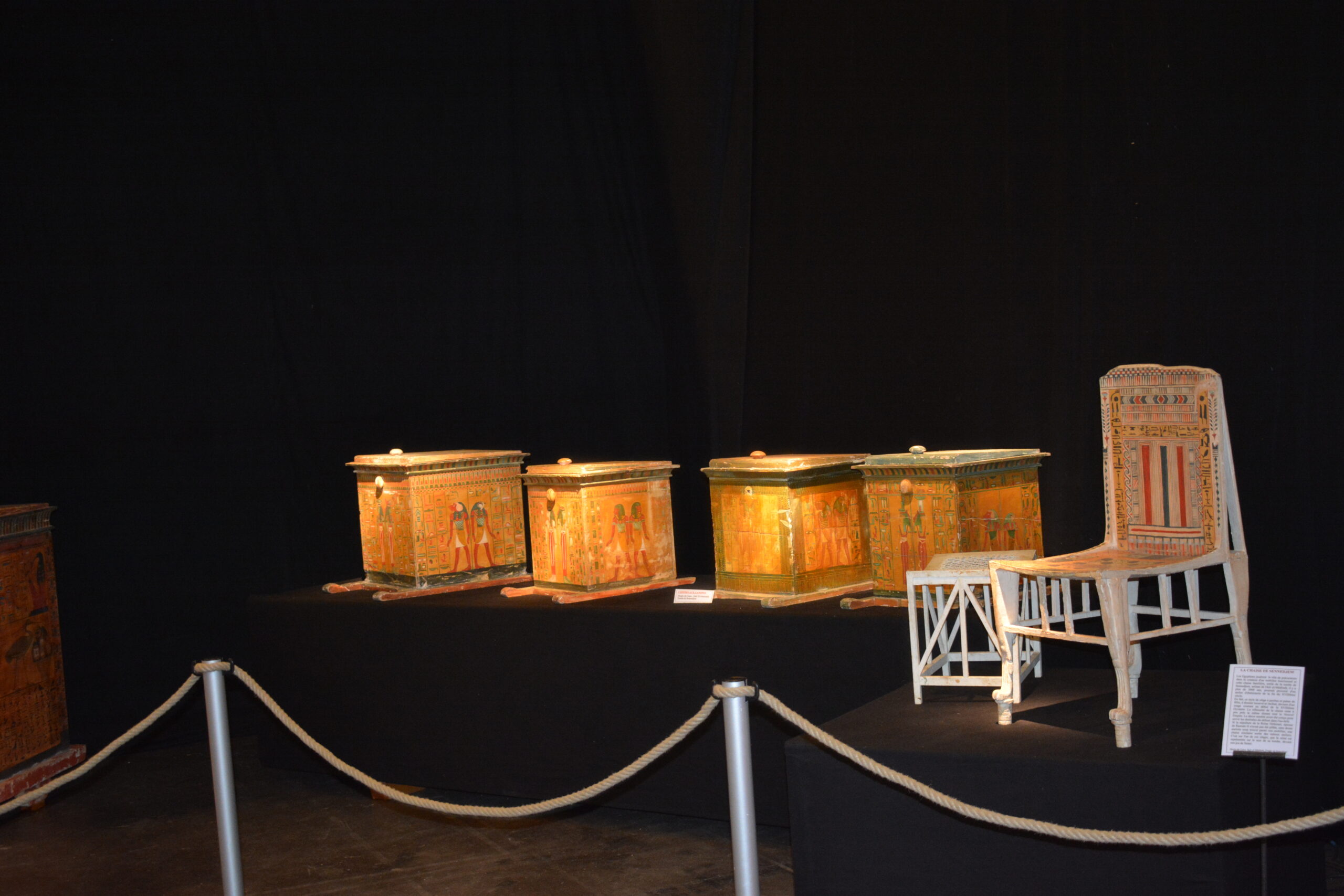
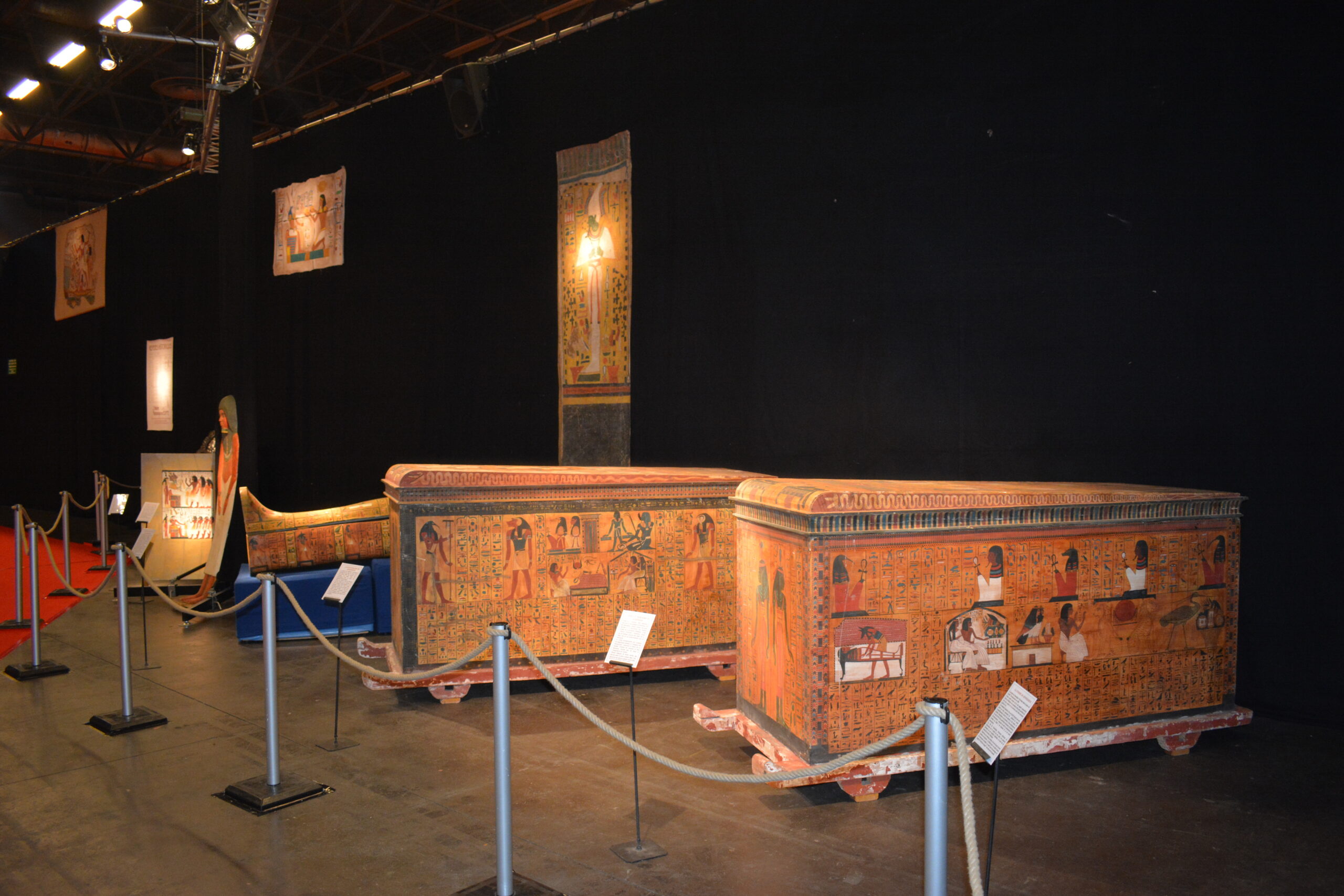
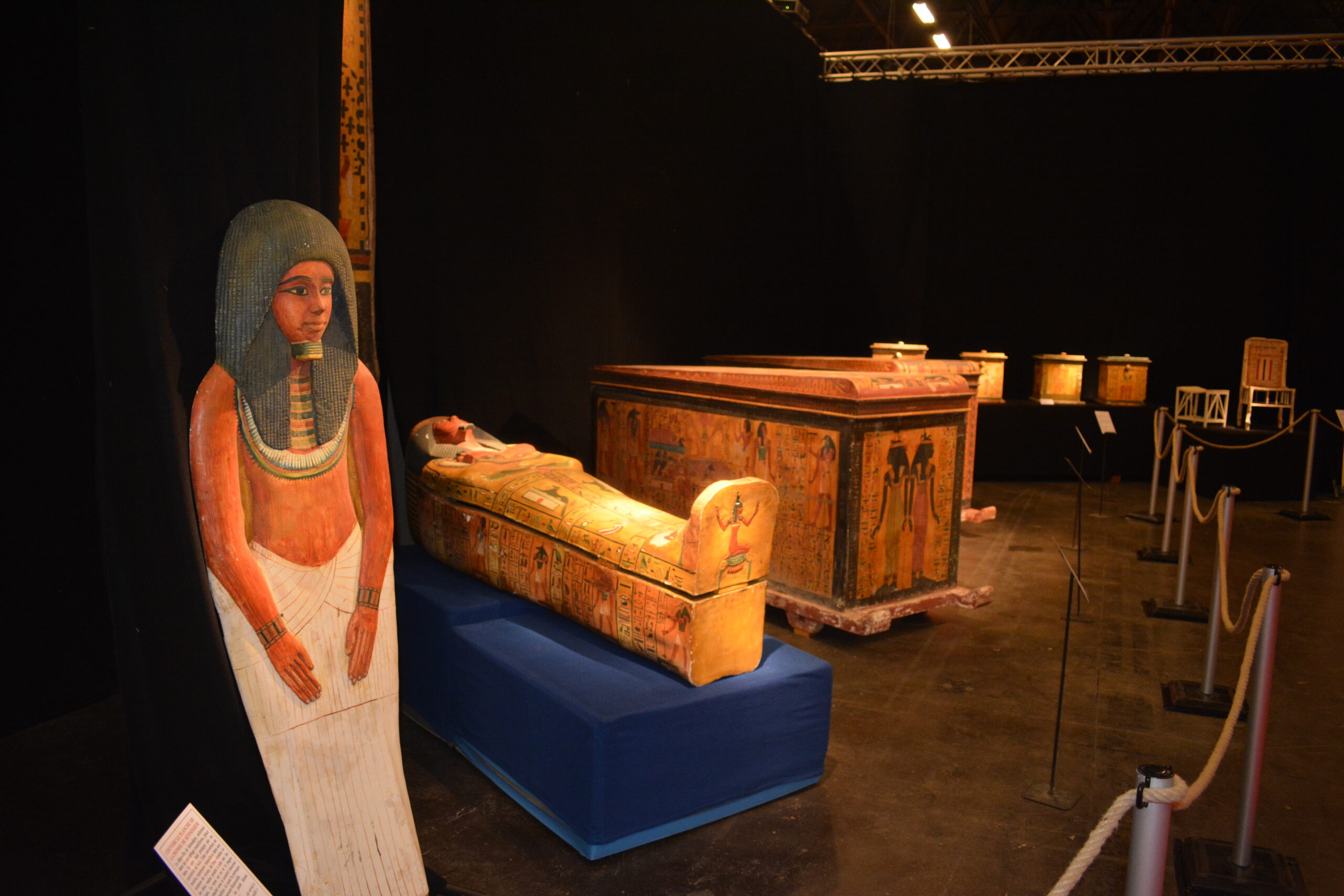
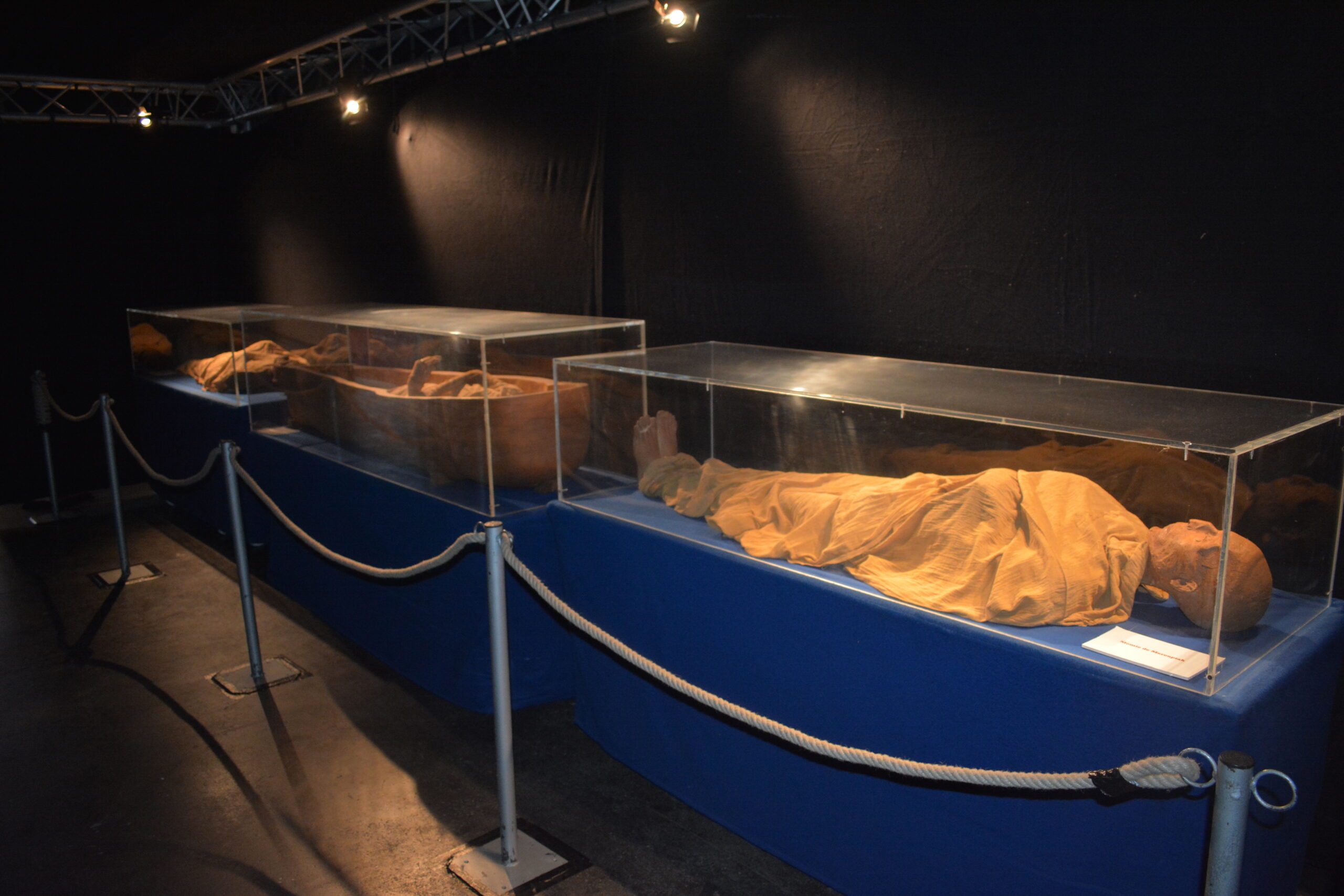
Featuring 500 museum-grade replicas, this journey brings you face to face with the sacred rituals, spiritual objects, and eternal symbols that guided ancient Egyptians through their path to immortality.

Each artifact whispers secrets from a civilization that refused to see death as an end—but rather as a continuation of existence in the eternal realm.

The Egyptian Vision of the Afterlife

To the ancient Egyptians, death was not a final farewell—it was a transition to eternity. They believed that the soul (the ka and ba) would live on in another world, provided the body was preserved and the proper rituals were performed.

This belief gave rise to one of the most extraordinary traditions in human history: mummification.
Through intricate processes, sacred chants, and divine symbols, Egyptians ensured that kings, queens, and nobles could journey safely to the afterlife, accompanied by treasures, spells, and offerings.

Sacred Objects and Eternal Symbols

Every object placed beside a mummy held deep spiritual meaning:
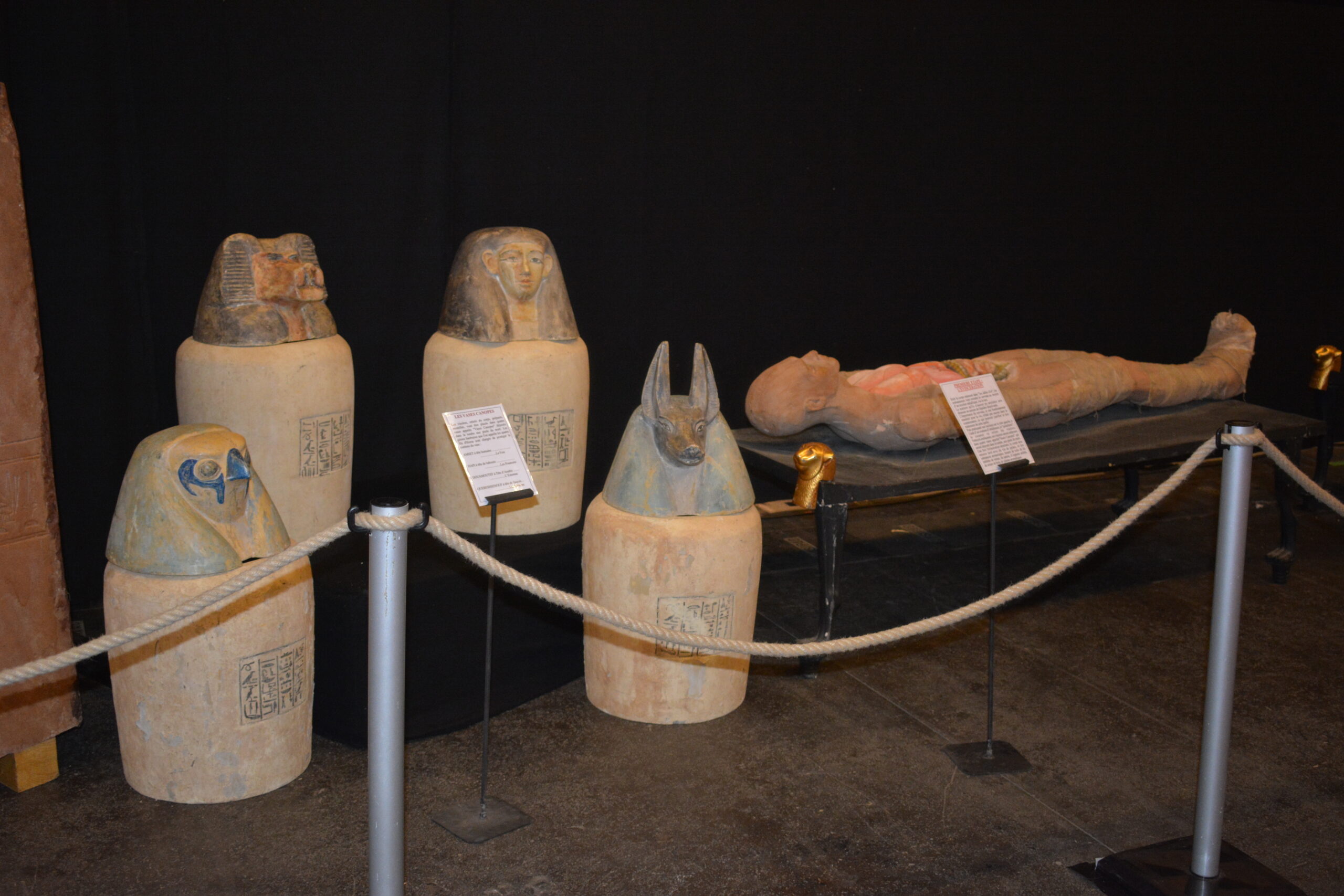
  • Canopic Jars: Protected the internal organs, each guarded by one of the Four Sons of Horus.
  • Amulets and Scarabs: Placed among the wrappings for divine protection and rebirth.
  • Shabti Figurines: Miniature servants intended to accompany and serve the deceased in the afterlife.
  • Funerary Masks: Like Tutankhamun’s golden mask, symbolized the face of eternity and divine perfection.
  • The Book of the Dead: A collection of magical spells and prayers to guide the soul through the trials of the afterlife.
  • Through these sacred artifacts, Eternity Dream reveals how the Egyptians connected faith, science, and art to conquer time itself.

For inquiries and more information, feel free to contact us — our team is always ready to assist you.

Get in touch today

Be part of the journey through Egypt’s timeless glory — where history comes alive and every moment tells a story.